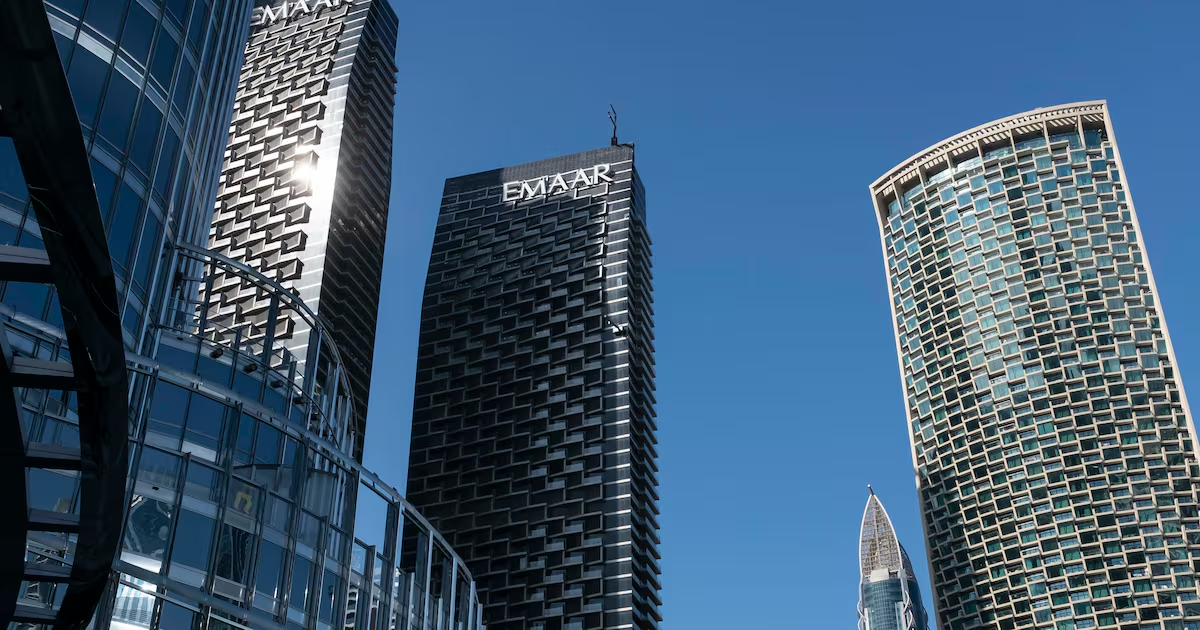
Karachi’s real estate market has always moved in cycles, but the recent shift toward planned, lifestyle-focused communities is hard to ignore. At the center of that shift is Emaar Properties, a name that has quietly reshaped expectations around urban living in Pakistan.
For buyers and investors alike, the conversation is no longer just about square footage or location. It is about long-term value, infrastructure, and the kind of environment people want to live in ten years from now.
Why Emaar Properties Stands Out in Pakistan’s Real Estate Market
Pakistan’s property sector has traditionally been fragmented. Many developments promised modern living but struggled with execution, delays, or inconsistent standards.
Emaar Properties brought a different approach when it entered Karachi. Backed by its track record in Dubai, the company introduced a model that focused on master planning, quality control, and community design rather than isolated projects.
A Track Record That Builds Confidence
Emaar is not a new player experimenting in an emerging market. It is the developer behind some of the world’s most recognized projects, including Burj Khalifa and Downtown Dubai.
That experience matters in Pakistan, where investor confidence often depends on credibility. Buyers are more cautious today, especially after years of stalled projects and regulatory uncertainty.
Emaar’s global portfolio gives it an edge. It signals financial strength, project continuity, and adherence to timelines that many local developers struggle to maintain.
Planned Communities, Not Just Buildings
One of the key differences in Emaar Properties developments is the emphasis on integrated communities.
Instead of focusing only on residential towers, projects are designed with:
- Retail spaces
- Green areas
- Security infrastructure
- Access to the coastline or key city routes
This approach aligns with how urban living is evolving in Karachi. People are willing to pay a premium for convenience and a better quality of life, not just a home.
Emaar Karachi: A Case Study in Modern Coastal Living
Karachi’s coastline has long been underutilized, despite its potential. Emaar recognized this early and positioned its developments to take advantage of sea-facing land in DHA Phase 8.
Projects like Emaar Oceanfront have changed how people view coastal living in the city.
For those exploring available options, the details around Emaar Properties provide a clear picture of how these developments are structured and what buyers can expect.
Location Advantage That Holds Value
In Karachi, location still drives property value more than anything else. DHA remains one of the most stable and sought-after areas due to its infrastructure and governance.
Emaar’s projects benefit from:
- Proximity to main roads like Khayaban-e-Ittehad
- Access to commercial hubs and dining areas
- Relative distance from the city’s congestion
Sea-facing apartments also offer something rare in Karachi. Open views, better air circulation, and a sense of space that is difficult to find elsewhere in the city.
Pricing and Investment Trends
Over the past few years, property prices in premium Karachi developments have shown resilience, even during economic slowdowns.
Emaar Properties projects tend to fall into the higher price bracket, but they also attract a different kind of buyer:
- Overseas Pakistanis looking for secure investments
- Professionals seeking modern living standards
- Investors focused on rental income from high-end tenants
Rental yields in such developments can range between 5 to 8 percent annually, depending on the unit type and furnishing. This is relatively strong for Pakistan’s residential market, especially in comparison to older apartment complexes.
What Buyers Should Consider Before Investing
Emaar Properties developments may look appealing on the surface, but smart buyers still need to evaluate their decisions carefully.
Payment Plans and Financing
Unlike many local developers, Emaar often structures its pricing around upfront payments or shorter installment plans.
This can be a barrier for some buyers, especially in a market where long-term installment options are common.
However, the trade-off is usually faster project completion and lower risk of delays.
Maintenance and Service Charges
High-end developments come with ongoing costs. Maintenance fees in Emaar Properties projects are typically higher than average Karachi apartments.
These charges cover:
- Security and surveillance
- Building maintenance
- Shared facilities like gyms or pools
For investors, this affects net rental returns. For residents, it directly impacts monthly living expenses.
Market Liquidity
Luxury properties in Pakistan are not always as liquid as mid-range options.
While Emaar Properties units hold value well, they may take longer to sell compared to smaller, more affordable apartments. This is something short-term investors should keep in mind.
The Broader Impact on Karachi’s Real Estate Landscape
Emaar’s presence has influenced more than just its own projects. It has raised expectations across the market.
Developers are now under pressure to:
- Improve construction quality
- Deliver projects on time
- Offer better amenities
Buyers have become more informed as well. They compare projects not just locally, but with international standards.
This shift is gradually pushing Karachi’s real estate sector toward more transparency and professionalism.
A Signal for Overseas Investment
Pakistan relies heavily on remittances, and real estate remains a preferred investment channel for overseas Pakistanis.
Developments backed by names like Emaar Properties offer a level of trust that encourages foreign investment.
This has broader economic implications. Increased investment in real estate can support construction activity, create jobs, and improve urban infrastructure when managed properly.
Where the Market Is Heading
Karachi is expanding, but not all growth is equal. Unplanned developments continue to create challenges around traffic, utilities, and livability.
Projects like those developed by Emaar Properties suggest a different direction. One where planning, infrastructure, and long-term vision matter as much as location.
This does not mean every buyer should rush into premium developments. But it does highlight a shift in what defines value in Pakistan’s property market.
The focus is moving from short-term gains to sustainable living environments.
Conclusion
Emaar Properties has not just introduced new buildings to Karachi. It has introduced a different standard.
For buyers, the appeal lies in reliability and lifestyle. For investors, it is about stability and long-term value. And for the market as a whole, it represents a step toward more structured, globally aligned development.
Karachi still has a long way to go in terms of urban planning, but projects like these offer a glimpse of what is possible when execution matches ambition.