Pelvic floor dysfunction is a common but often overlooked health issue affecting people of all genders and ages. It occurs when the muscles, ligaments, and connective tissues that support the pelvic organs—such as the bladder, uterus or prostate, and rectum—do not function properly. This dysfunction can lead to a wide range of symptoms that significantly impact quality of life, including urinary and bowel problems, pelvic pain, and sexual dysfunction. Fortunately, pelvic floor therapy has emerged as a highly effective, non-invasive treatment option that can restore function and relieve discomfort.
What Is the Pelvic Floor?
The pelvic floor is a group of muscles and tissues located at the base of the pelvis. These muscles support vital organs, maintain continence by controlling the bladder and bowel, assist with sexual function, and provide stability to the spine and pelvis. When these muscles are too tight (hypertonic), too weak (hypotonic), or uncoordinated, they can lead to pelvic floor dysfunction.
What Is Pelvic Floor Dysfunction?
Pelvic floor dysfunction (PFD) refers to a range of issues that arise when the pelvic floor muscles do not contract and relax properly. There are several forms of PFD, including:
- Urinary Incontinence: The inability to control urine flow, leading to leaks during activities like coughing, sneezing, or exercising.
- Fecal Incontinence: Involuntary leakage of stool due to poor rectal support or muscle control.
- Pelvic Organ Prolapse: When pelvic organs descend into or outside of the vaginal or rectal opening due to weakened support structures.
- Chronic Pelvic Pain: Persistent pain in the pelvic region, sometimes without a clear cause.
- Painful Intercourse (Dyspareunia): Discomfort or pain during or after sexual activity, often related to muscle tightness or scar tissue.
- Urinary Urgency or Frequency: A frequent or sudden urge to urinate, even when the bladder isn’t full.
PFD may result from childbirth, aging, surgery, obesity, high-impact sports, chronic constipation, or trauma. It is more common in women—especially after childbirth or menopause—but it also affects men, particularly after prostate surgery.
How Pelvic Floor Therapy Can Help
Boston Pelvic floor physical therapy is a specialized form of physical therapy designed to treat dysfunction by improving the strength, coordination, and flexibility of the pelvic floor muscles. It is typically performed by physical therapists with advanced training in pelvic health.
Initial Evaluation
The process begins with a comprehensive evaluation that may include a detailed medical history, an assessment of posture and core strength, and sometimes an internal examination to evaluate muscle tone, strength, and coordination. This personalized approach ensures that the therapy plan addresses each patient’s unique needs and symptoms.
Techniques Used in Therapy
Pelvic floor therapy includes a variety of techniques and exercises tailored to the specific type of dysfunction a patient is experiencing. Common components of therapy include:
- Biofeedback: A technique using sensors and visual or auditory feedback to help patients learn how to properly engage and relax their pelvic muscles.
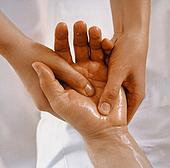
- Manual Therapy: Hands-on techniques used to release tight muscles, mobilize scar tissue, and reduce pain.
- Pelvic Floor Exercises (Kegels): Exercises to strengthen weak muscles or improve muscle endurance and control. For some patients, learning to relax the muscles may be more important than strengthening.
- Breathing and Relaxation Techniques: These exercises help reduce tension in the pelvic floor and support overall recovery.
- Postural and Core Training: Improving alignment and core stability can alleviate pressure on the pelvic floor and improve function.
- Education and Lifestyle Modifications: Patients may receive guidance on bladder training, bowel habits, dietary changes, and ergonomics to support healing and prevent recurrence.
How Long Does It Take?
Recovery timelines vary depending on the severity and type of dysfunction, as well as individual response to treatment. Some people notice improvements after just a few sessions, while others may require ongoing therapy over several months. Consistency and following the therapist’s recommendations at home are key to successful outcomes.
Benefits of Pelvic Floor Therapy
The benefits of pelvic floor therapy go far beyond treating symptoms. Some of the most common outcomes include:
- Reduced or eliminated urinary and fecal leakage
- Relief from chronic pelvic pain or discomfort
- Improved sexual function and reduced pain during intimacy
- Better core strength and posture
- Enhanced quality of life and emotional well-being
In addition to physical improvements, many people report increased confidence and a sense of control over their bodies after completing therapy. Pelvic floor dysfunction can be isolating and embarrassing, so having a treatment option that provides real relief can be life-changing.
Who Can Benefit?
Pelvic floor therapy can benefit a wide range of people, including:
- Postpartum Women: Whether after vaginal or cesarean delivery, therapy can address incontinence, prolapse, and pain.
- Perimenopausal and Postmenopausal Women: Hormonal changes can weaken pelvic support.
- Men with Prostate Issues: After prostate surgery, men often experience urinary incontinence or pelvic pain.
- Athletes: High-impact sports can strain the pelvic floor and lead to dysfunction.
- People with Chronic Constipation or Pelvic Pain: These conditions can overwork or damage pelvic muscles.
Conclusion
Pelvic floor dysfunction is a treatable condition that affects millions of people but is often misunderstood or left unaddressed. Pelvic floor therapy offers a safe, effective, and empowering way to restore function, relieve pain, and improve everyday life. By seeking help from a qualified pelvic health therapist, individuals can take an important step toward healing and reclaiming their quality of life.