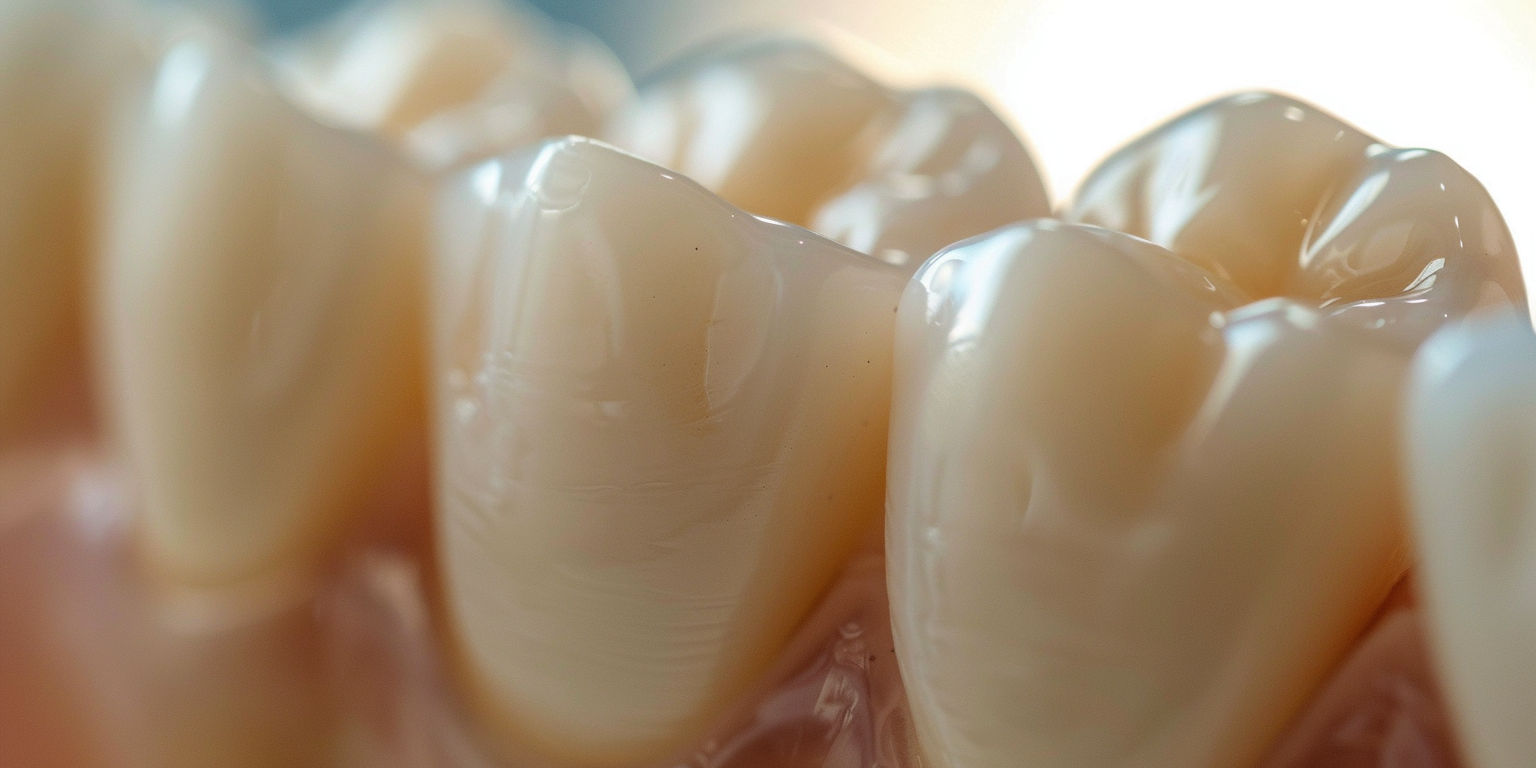
Plaque consists of a colorless, but sticky film that covers your teeth. As this film hardens, it can turn into tartar, which can then increase your risk of developing oral health complications, such as gingivitis and cavities.
It’s important to know that everyone gets plaque on their teeth. The key, however, is to remove it every day to prevent buildup that can lead to tartar and further complications. Consider the following eight steps you can take to help reduce plaque from building up in the first place.
1. Brush Your Teeth at Least Twice a Day
The standard recommendation is to brush your teeth twice daily, usually in the morning and at night before you go to bed. It may be tempting to skip nighttime brushing when you’re tired, but doing so can induce plaque buildup on your teeth from a combination of bacteria and food you’ve eaten during your day. For the best results, use a soft-bristled toothbrush and gently brush in circular motions for two minutes at a time.
2. Use a Fluoride-Containing Toothpaste
Fluoride is an important type of mineral that’s been proven to help strengthen your teeth and help prevent decay. It can also help reduce plaque accumulation and make it easier for removal by a dentist. For best results, be sure to spit out the toothpaste after brushing and ensure young children don’t swallow it.
3. Consider Switching to an Electric Toothbrush
While there’s nothing wrong with a traditional hand-held toothbrush, an electric version is far more capable of getting rid of plaque. In fact, research has shown that people who used electric toothbrushes saw significant plaque reduction in just four weeks. Once you see how much less plaque you have, you’ll likely agree that an electric toothbrush is worth the investment.
4. Floss Every Day
One of the first things a dentist might ask you is whether you floss every day. This is a key step to dental health that many people erroneously skip out on. Flossing helps plaque stuck in between your teeth before it hardens into tartar. Consider flossing at night before you brush your teeth.
5. Consider Using a Mouthwash
Plaque itself starts off as colorless, but it can turn white or yellowish after it comes into contact with beverages and foods. If you can visibly see more plaque buildup than normal despite regular brushing and flossing, consider using a mouthwash. Look for a product containing chlorhexidine gluconate—research has shown this ingredient effectively reduces plaque and gingivitis.
6. Consider Your Diet
Certain foods and beverages are more likely to induce plaque buildup on your teeth. The worst offenders include those containing sugars and starches, such as baked goods, sugary cereals, and pasta, as well as milk, soda, juices, and certain fruits. If you do enjoy these foods in moderation, consider brushing your teeth shortly after consumption.
On the flip side, some foods can help reduce plaque buildup in your teeth. These include raw and crunchy fruits and vegetables, such as apples and carrots, which can also help induce saliva in your mouth to combat plaque buildup. Fluoride-containing water can also prevent plaque and cavities.
7. Keep Sugarless Gum on Hand
While you want to avoid added sugars as much as possible, sugarless gum can come in handy in helping to prevent plaque buildup on your teeth. This is especially true if you have had a starchy meal and can’t brush your teeth right away. Just be sure your gum has a seal of approval from the American Dental Association (ADA).
8. See a Dental Professional
When you see a dental hygienist for regular twice-a-year teeth cleanings, they can help remove plaque and tartar that has hardened on your teeth before these lead to major problems. If you have concerns, such as tooth pain or bleeding gums, a dentist or other dental professional can help you address these at your appointment. They will also look for signs of cavities and gingivitis.