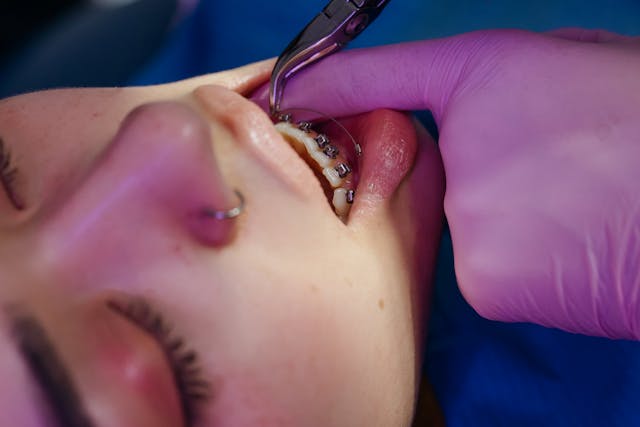
Getting braces is a big step for any teenager. It often comes at a time when confidence, appearance, and social life all feel especially important. While braces are a common part of growing up, the experience can still feel overwhelming at first. The good news is that with the right expectations and a few practical habits, the process can be much smoother than many teens anticipate.
Understanding how to manage daily routines, handle discomfort, and stay motivated throughout treatment can make a noticeable difference from start to finish.
The adjustment phase: what the first few weeks feel like
The first stage of wearing braces is usually the most challenging, not because it is painful, but because it is unfamiliar. After the brackets and wires are placed, teeth begin to shift, which can lead to soreness for a few days.
Teens may also notice irritation along the inside of their cheeks and lips. Orthodontic wax can help reduce friction, and over-the-counter pain relief is often enough to manage discomfort during this period.
Eating can feel different at first as well. Softer foods such as pasta, yogurt, and soups are easier to handle while the mouth adjusts. Within a couple of weeks, most teens find that their routine starts to feel normal again.
Building habits that protect progress
One of the most important parts of a smooth braces experience is consistency. Braces require a higher level of attention when it comes to oral hygiene. Food can easily get trapped around brackets and wires, which increases the risk of plaque buildup.
Brushing after meals and flossing daily helps prevent issues like cavities and gum irritation. Special tools such as floss threaders or interdental brushes can make cleaning more manageable.
Developing these habits early in the process not only keeps teeth healthy during treatment but also supports better results once the braces come off.
Food choices that make a difference
Diet plays a bigger role in orthodontic care than many people expect. Certain foods can damage brackets or wires, leading to extra appointments and delays in treatment.
Hard foods like nuts, ice, and hard candies should be avoided, as well as sticky options like caramel or chewing gum. Crunchy foods such as apples or carrots can still be enjoyed, but it is best to cut them into smaller pieces.
Making thoughtful food choices does not mean giving up everything you enjoy. It simply means adjusting how you eat to protect your braces and keep treatment on track.
Confidence and social life with braces
For many teens, one of the biggest concerns is how braces will affect their appearance. It is completely normal to feel self-conscious at first. However, most people adjust quickly and become more comfortable with their new look.
Today’s orthodontic options are also more discreet than in the past. Clear brackets or aligners can be an option for some patients, depending on their needs. Talking through these options with an orthodontist in Guelph, Ontario, can help determine what fits best with both lifestyle and treatment goals.
Over time, braces often become just another part of daily life. Friends and classmates are likely going through similar experiences, which can make the process feel more normal and less isolating.
Staying on schedule matters more than you think
Regular orthodontic appointments are a key part of progress. These visits allow for adjustments that gradually move teeth into the desired position.
Missing appointments or delaying adjustments can slow things down and extend the overall treatment timeline. Staying organized with scheduling helps keep everything moving forward as planned.
It can also be helpful for teens to understand the purpose behind each visit. When they see how small adjustments contribute to long-term results, they are often more motivated to stay consistent.
Handling common challenges along the way
Even with the best habits, small issues can come up during orthodontic treatment. A loose bracket, a poking wire, or minor discomfort after an adjustment are all fairly common.
Knowing how to respond can make these situations less stressful. Orthodontic wax can help with irritation, and many minor issues can be managed temporarily at home until a dental visit is possible.
Communication is important. If something feels unusual or uncomfortable for an extended period, reaching out to a dental professional ensures it is addressed properly.
The role of patience during treatment
Braces work gradually, and progress can sometimes feel slow. It is easy for teens to become impatient, especially when changes are not immediately visible.
Tracking progress through photos or regular check-ins can help highlight how far things have come. Even small shifts in alignment add up over time.
Encouragement from family members also plays a role. Recognizing milestones and staying positive can make the experience feel more rewarding.
Life after braces: why the effort pays off
When braces are finally removed, the results often speak for themselves. Straighter teeth can improve both appearance and oral health. Proper alignment makes it easier to clean teeth effectively and can reduce the risk of certain dental issues in the future.
However, the process does not end immediately after braces come off. Retainers are typically required to maintain the new alignment. Wearing them as instructed is essential to prevent teeth from shifting back.
Understanding this early on helps set realistic expectations and ensures that the effort invested during treatment leads to lasting results.
Finding the right support and information
Every orthodontic journey is a little different, which is why having access to clear and reliable information can make a difference. Sometimes the most helpful insights come from simple, direct answers to common questions.
A dentist in Guelph addresses topics like treatment options, timelines, and what teens can expect through easy-to-follow answers in this helpful orthodontic FAQ page.
Taking the time to understand the process helps both teens and parents feel better prepared. With the right habits, support, and mindset, braces can become a positive step toward long-term confidence and oral health.